What Watching Wildlife in Svalbard Taught Me About Expedition Travel
On my May 2026 expedition to Svalbard with Quark aboard Ocean Explorer, I saw three polar bears, walrus, puffins, seals and a minke whale. We reached pack ice at 82° north. Those are the headline moments, and I understand why people want to hear about them.
But when I think about what that trip taught me as a travel advisor, I keep coming back to something quieter: how much looking was involved.
The work behind a wildlife sighting
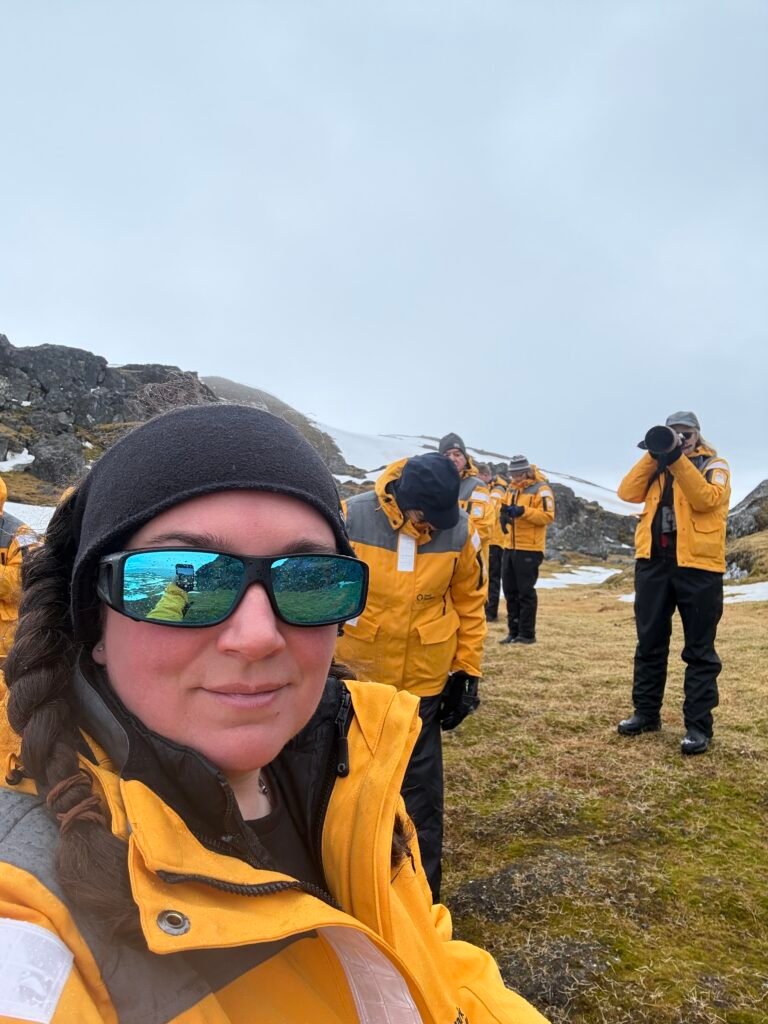
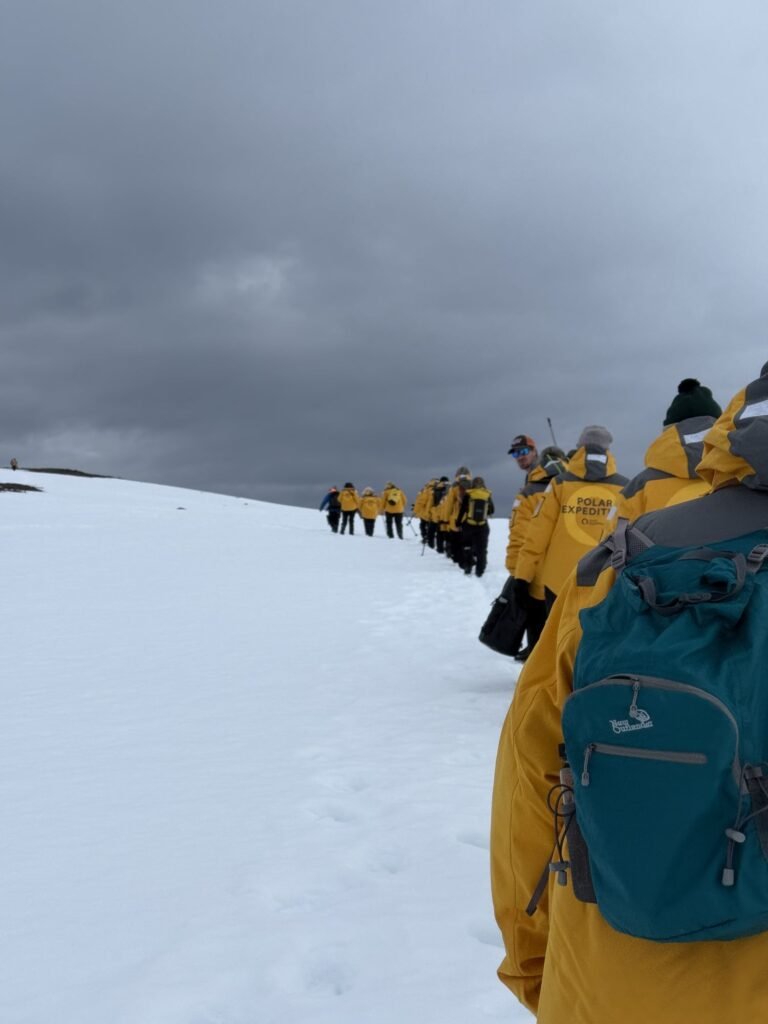
I spent a lot of time in the Observation Lounge. It became my base for watching the world outside. The expedition staff were constantly scanning, often with three or four team members looking at once. They encouraged us to use our binoculars and pay attention, too.
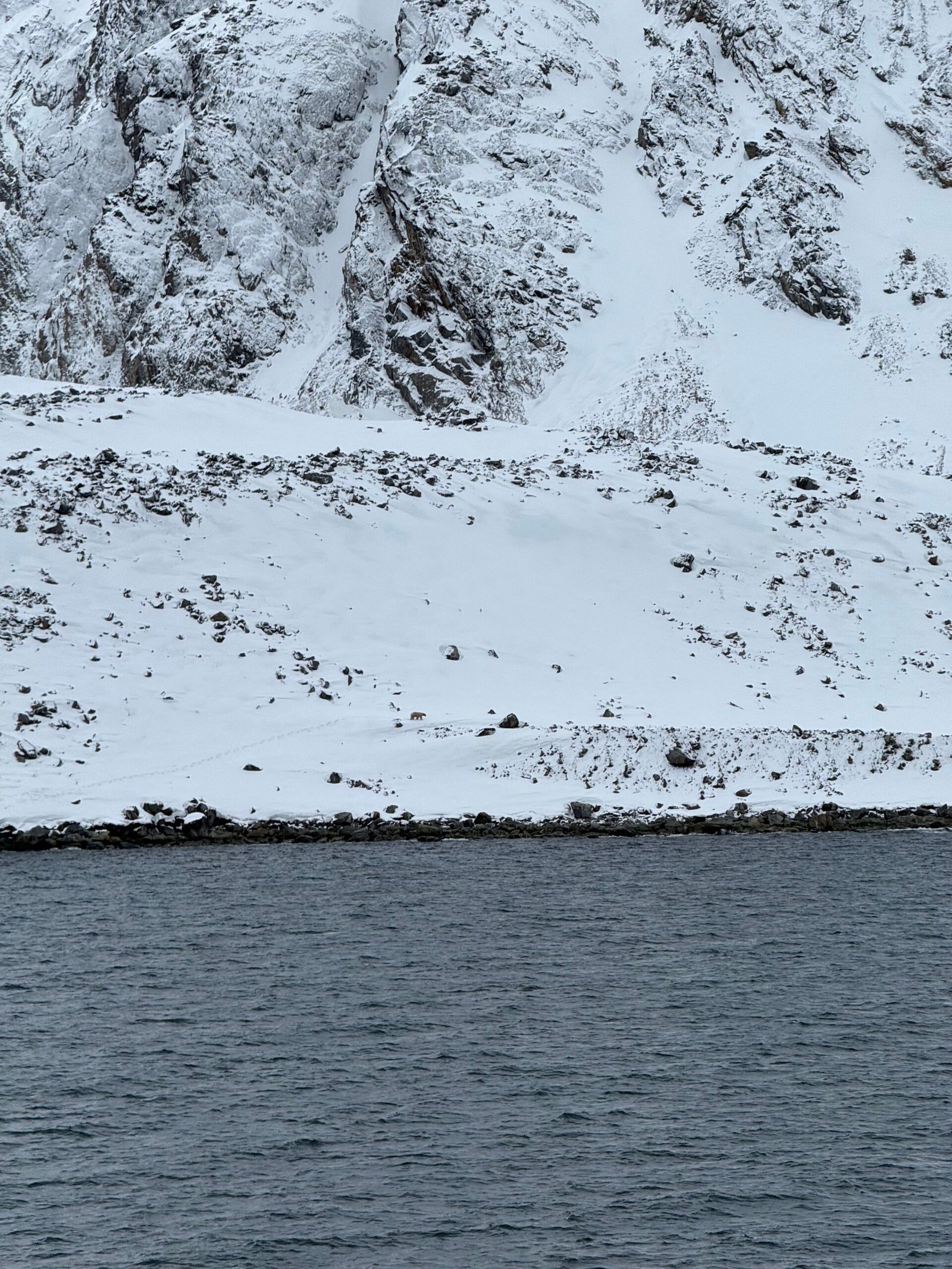
A whale spout, bear prints, a seal on the ice: there were things to notice long before there was an animal filling the camera frame. “If you aren’t looking, you aren’t seeing” became a useful way to think about the experience.
That changed what I value when I compare expedition trips. The ship matters, of course. So does the team helping you understand what you are looking at and stay engaged with the place around you.
Three bears describes my trip
I can tell you what I saw. I cannot turn my sightings into a promise for someone else’s departure. My trip had its own combination of conditions, wildlife and opportunities. Yours will have its own story.
If a traveler tells me that seeing a polar bear is the whole reason for going, that is a conversation we need to have before choosing a voyage. How would the trip feel if a bear were distant? Or if the wildlife highlight turned out to be walrus, seabirds or a whale instead?
Those questions help us understand whether the experience itself appeals to you. The scenery, sea ice, Zodiac outings and time spent watching all need to matter alongside the animals on your wish list.
Make room for the smaller things
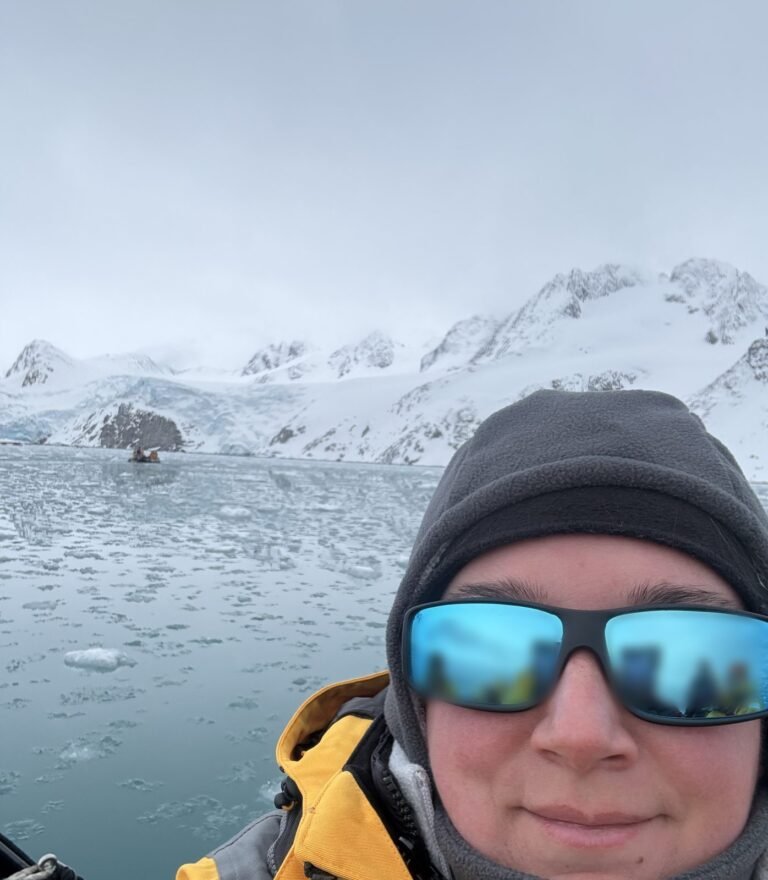
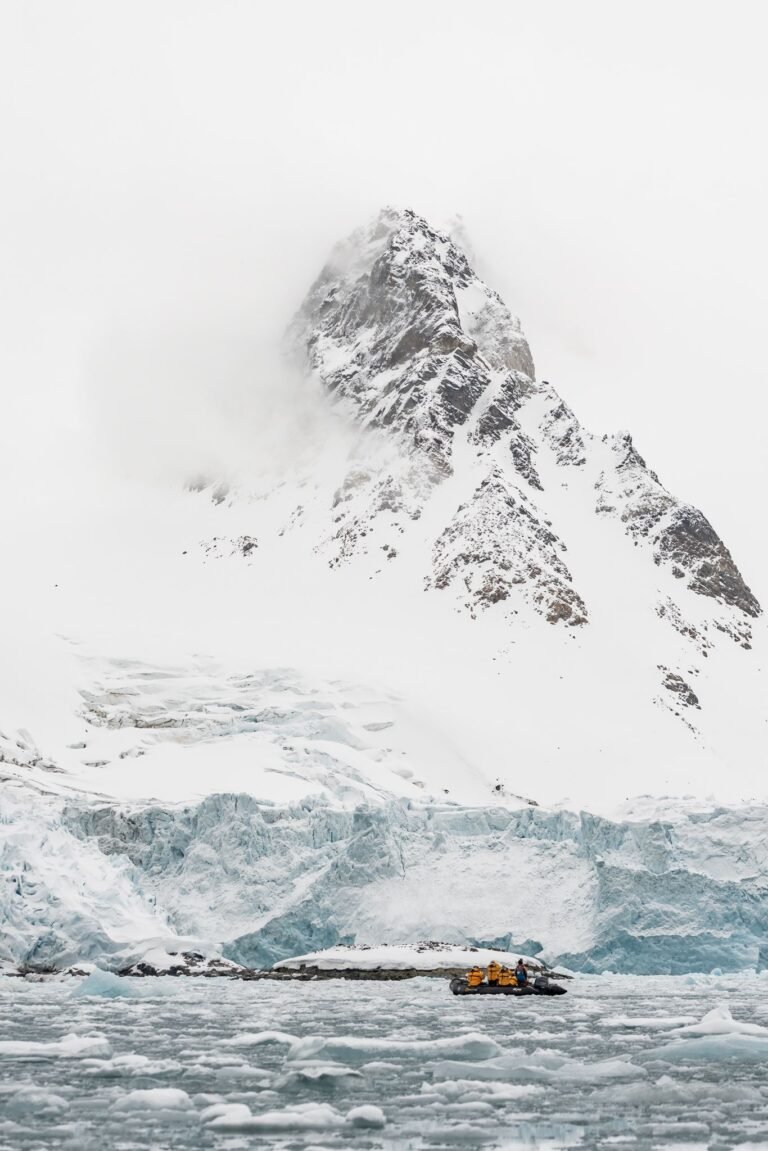
Being down near the water in a Zodiac gave me a different relationship with the landscape. Ice, rocks and shorelines became things to study rather than scenery passing in the distance. Some of the ice looked like natural art.
There is a particular pleasure in beginning to notice more. You do not need every outing to produce a dramatic photograph for it to be worthwhile. That is an expectation I want my clients to take with them.
What I want to know before we choose your trip
Tell me which animals interest you, but also tell me how you like to spend your time. Do you enjoy watching and waiting? Does learning about a place deepen the experience for you? Would you be happy putting the camera down and taking it in?
I would also ask how you feel about changing plans. The willingness to follow an opportunity can be part of what makes expedition travel rewarding.
My Svalbard experience helps me ask better questions. It gives me something more useful than a list of sightings: a clearer sense of the traveler who will love being there.
If you are considering Svalbard, let’s talk about the experience you hope to have. I’ll help you compare the options with realistic expectations and your interests at the center.